The question is not whether your book needs editing.
It is what kind of editing it needs, in what order, and who should do it.
A serious book can be elevated by the right editorial intervention and diluted by the wrong one applied too soon. Before developmental editing, line/copy editing, or proofreading begins, the work has to be understood: what shelf it belongs on, what promise it makes to readers, where it is already strong, and where it is not yet ready. That is why Izzard Ink begins with the Manuscript Assessment & Action Plan. It establishes editorial direction before execution begins. Within publishing with Izzard, this is the Get Polished stage—the point where editorial direction becomes professional refinement.

Editing begins with judgment. Before you change a sentence, you must know what kind of book you are trying to make.
Tim McConnehey,
Founder & CEO, Izzard Ink Publishing
Izzard Ink builds editorial teams with backgrounds spanning major-house publishing, children’s and YA, commercial fiction, memoir, nonfiction, and award-recognized cookbook publishing — including editorial experience tied to HarperCollins, Scholastic, the Bridgerton titles, The Hunger Games, and James Beard- and IACP-recognized culinary publishing.
The book is assessed first so the editorial path reflects the work itself rather than a generic package. That is how fiction, memoir, narrative nonfiction, business and leadership, children’s/YA, and select cookbook projects are matched to the right level of editorial attention.
Jeffrey Dunn’s path with Izzard Ink has included Radio Free Olympia, Whiskey Rebel, and Wildcat, with Kirkus Get It recognition reinforcing that the work can hold up under outside scrutiny.

Most authors do not need editing in the abstract.
They need to know whether the book is structurally sound, whether the story or argument delivers on its promise, whether it belongs where they think it belongs on the shelf, and whether this is the moment for developmental work, line-level refinement, or final proof.
That distinction matters because premature polishing is expensive. A proofread cannot solve a structural problem. A line edit cannot repair a weak reader promise. A developmental edit done without genre awareness can move a book away from the market instead of toward it.
A strong edit does more than remove errors. It clarifies the book’s contract with the reader. It strengthens pace, authority, and coherence. It preserves voice while improving form. It helps the work feel composed, intentional, and ready to be taken seriously.
At this level, the real value is not more labor. It is better judgment before the labor begins.
Izzard Ink’s book editing services are not a commodity menu.
They are a curated editorial path for authors who care about quality, reader experience, market readiness, literary or trade-review potential, and producing a book they can stand behind with confidence.
The first step is the Manuscript Assessment & Action Plan. That is where the work is evaluated honestly, its editorial sequence is clarified, and the right path is chosen before larger money is spent. Assessment engagements begin at $595 and scale with word count and scope, including an optional full-manuscript upgrade. Full editing is then proposed according to the condition of the draft, manuscript length, editorial depth, and the level of team required. Most editing engagements fall in the $5,000 to $12,000+ range.
This is also why not every edit is interchangeable.
Developmental editing addresses the big questions: structure, pacing, narrative or argument flow, category fit, reader promise, and what belongs.
Line/copy editing strengthens the work at the paragraph and sentence level: voice, clarity, rhythm, precision, consistency, and control.
Proofreading is the final polish pass. It is not where a rough draft becomes a strong book. It is where a nearly finished manuscript is prepared for professional release.


A premium editing engagement should feel precise before it begins.
Your proposal should make clear what level of editing is being recommended, why that level is right, what the scope includes, what the timeline looks like, and what standard the work is intended to reach.
In a developmental editing engagement, that typically includes a strategic editorial letter, in-manuscript commentary, clear revision priorities, and guidance on what must change first.
In a line/copy editing engagement, that usually includes tracked edits in the manuscript, sentence-level refinement, consistency decisions, editorial queries where logic or clarity needs attention, and careful protection of the author’s voice.
In a proofreading engagement, that means a final pass for correctness, continuity, presentation, and release readiness.
At every stage, the goal is not simply to edit the book. It is to make the next decision clearer, the next revision stronger, and the work more ready for the level it is trying to reach.
What distinguishes Izzard is not only access to strong editors.
It is the framework used to decide what kind of editorial work should happen, in what order, and with whom.
At Izzard, editorial direction is treated as a priority, not an afterthought. Behind the process is a structured framework that guides how books are assessed, scoped, and matched.
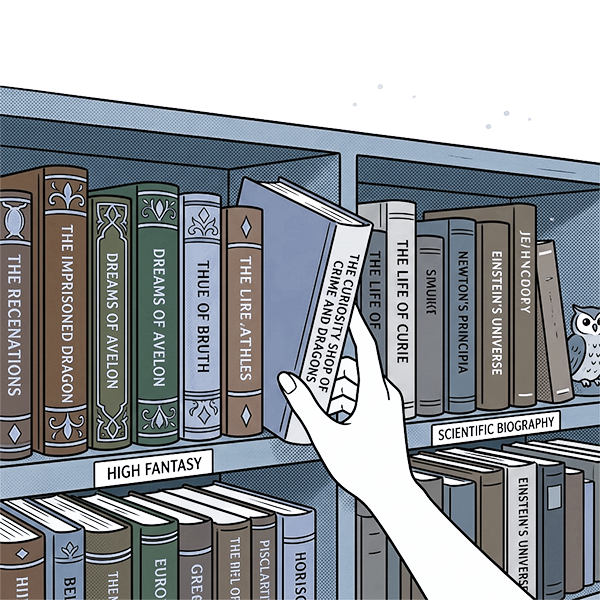
Positioning asks what kind of book this is, where it belongs on the shelf, and what promise it is making to the reader
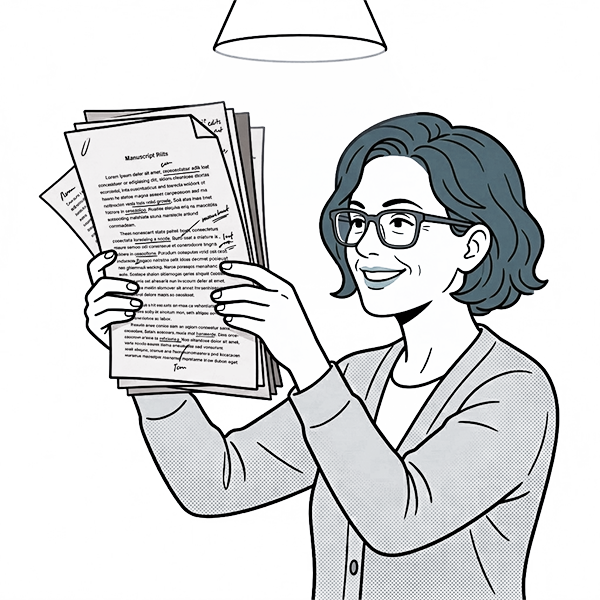
Readiness determines what is already working, what is underperforming, and whether the draft is ready for a full edit or still needs author revision first.
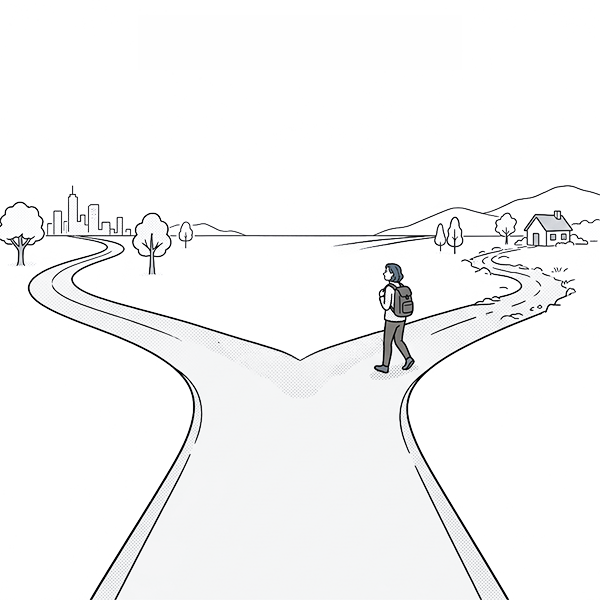
Editorial Path identifies the level of intervention that creates the most value now, whether that is developmental editing, line/copy editing, proofreading, or a pause before the next stage.
Editor Match determines what editorial background, genre fluency, and working style the project requires.
The Izzard Editorial Direction Framework is part of Izzard’s intellectual capital. It gives the process shape, protects the work from being overworked or misdiagnosed, and helps ensure that execution follows a clear editorial logic.
First, the book is assessed through a strategic editorial lens.
That means looking at what it is trying to be, what is already working, what is underperforming, and what kind of intervention will move it forward most effectively.
Then the sequence is clarified.
Some projects need full developmental work. Some need revision before a major edit makes financial sense. Some are ready for line-level refinement. Some are nowhere near proofreading, no matter how eager the author may be to finish.
Then the editor is matched.
Genre is not a detail. It is part of the editorial intelligence required to shape a book properly. A memoir is not edited like a leadership book. A romance novel is not edited like literary fiction. A cookbook is not edited like a business manuscript. The right editor is not simply talented. The right editor understands the category, the audience, and the standard the book is trying to meet.
Then the work is managed against the plan.
The point is not merely to hire talent. It is to give that talent the right brief, the right context, and the right objective so the collaboration produces a stronger book.

Premium editing should feel rigorous, calm, and exact.
You should understand what the work needs, what kind of editor is being recommended, what the scope covers, what the timeline looks like, and what decisions belong to you. You should not be left interpreting vague promises or wondering what happens after the manuscript leaves your hands.
A typical engagement moves from assessment to proposal, from proposal to editor match, from edit delivery to revision decisions. That rhythm matters. It gives the author clarity, gives the editor direction, and keeps the book moving with purpose.
For high-capacity authors, that discipline matters. The process should respect your time and keep your involvement focused on the decisions that matter most.
For memoirists, public-facing experts, pen-name authors, and projects involving sensitive personal or professional material, discretion matters as well. Serious editorial work should sharpen the manuscript without creating unnecessary exposure.
Sometimes the right recommendation is to revise first, narrow the scope, or wait.
That restraint is part of the service.
This protects you from paying for a proofread on a draft that still needs structural work.
It protects you from hiring a capable editor who is simply wrong for your genre.
It protects you from polishing prose on a book that does not yet fully know what it is promising readers.
It protects you from spending too early, then discovering the work needed a different kind of intervention all along.
And it protects your voice by making sure the goal is not generic correctness, but a stronger version of the book you actually want to publish.

You keep your rights.
There are no rights grabs, no hidden ownership language, and no vague handoffs where the rules become clear only after money has been spent.
This is not a vanity-press upsell, an anonymous editing mill, or a generic marketplace handoff.
It is a selective, professionally guided editorial path for authors who want serious standards without surrendering control of their work.
For many authors, editing stands on its own.
For others, it becomes part of a larger Izzard Ink Get Ink’d publishing path. This is the Get Polished stage: the point where editorial direction is translated into the right scope of work, the right editor, and the right sequence of refinement.
The process begins with the Manuscript Assessment & Action Plan, then moves into the right editorial proposal, the right editor, and the right next stage.
And if what you need is not editing but creation of the manuscript itself, that is a different engagement. Books built through interviews, outlining, drafting, and collaborative writing belong in a ghostwriting or manuscript-development process from the start.


Pedigree matters, but only when it is matched to the work in front of you.
For children’s and YA, that may mean editorial backgrounds shaped by high-level trade publishing. For romance and commercial fiction, it may mean editors who understand category promise, pacing, and reader expectation. For cookbook and lifestyle books, it may mean editorial experience tied to award-recognized culinary publishing. For memoir, authority nonfiction, and business books, it may mean editors who know how to preserve voice while sharpening structure, credibility, and narrative control.
Jeffrey Dunn puts the deeper value more simply: “What they brought was a process.”
That is the difference this page is describing. Not more hands on a manuscript for the sake of it. The right editorial process, in the right order, with the right people, producing a book that reads with more authority, more coherence, and more staying power.
This is for serious authors who want a book that can stand up to scrutiny.
It is for first-time authors who need clarity before they overspend. It is for repeat authors who already know the wrong sequence can waste months. It is for founders, experts, memoirists, novelists, and category-aware storytellers who care about voice, quality, fit, and long-term credibility.
It is also for authors who are coachable. Humble. Curious. Willing to revise. Willing to hear the truth about what the work needs.
This is not for authors looking for the fastest or cheapest possible cleanup.
It is not for one-week turnarounds or for manuscripts seeking affirmation more than improvement.
It is not for authors who do not care about quality, category fit, review readiness, or the difference between structural work and final polish.
And it is not for anyone who wants to skip judgment, skip revision, and go straight to execution.
A book can survive delay better than it can survive the wrong editorial sequence.
Once money is spent polishing the wrong things, the work usually becomes more expensive to repair, not less. The logical next step is not to guess, and it is not to jump straight to execution.
It is to establish editorial direction first.
Because the wrong edit is often more expensive than waiting. The assessment clarifies what the work actually needs before you commit to a larger editorial engagement.
You receive a clearer view of the manuscript’s strengths, weaknesses, editorial priorities, and next best step. From there, Izzard can recommend revision, propose the right level of editing, and assemble the editorial team the project requires.
That depends on readiness. Developmental editing addresses structure and positioning. Line/copy editing strengthens the writing itself. Proofreading is the final polish pass. Many authors assume they need the last one when they actually need the first.
The Manuscript Assessment & Action Plan begins at $595 and scales with manuscript length and scope. Full editing is custom, with many engagements falling between $5,000 and $12,000+ depending on manuscript condition, length, editorial depth, and the team required.
Yes. Genre fit is part of the editorial strategy, not an afterthought.
Then the right answer may be revision first. The point of the assessment is not to push every author into the next paid stage. It is to tell the truth about readiness and next steps.
Then editing is not the first engagement. If the book still needs to be built through interviews, planning, and drafting, it should be scoped as a ghostwriting or collaborative-development project.

Begin with the step that tells you what your manuscript actually needs.