You can publish a religious book traditionally, independently, or through a hybrid path—but none of those choices solve the first problem: is the manuscript ready?
Before you invest in editing, design, or production, start with a professional Manuscript Assessment.

Calling is not the same as readiness. The message may be sacred, but the manuscript still has to work.
Tim McConnehey,
Founder & CEO, Izzard Ink Publishing
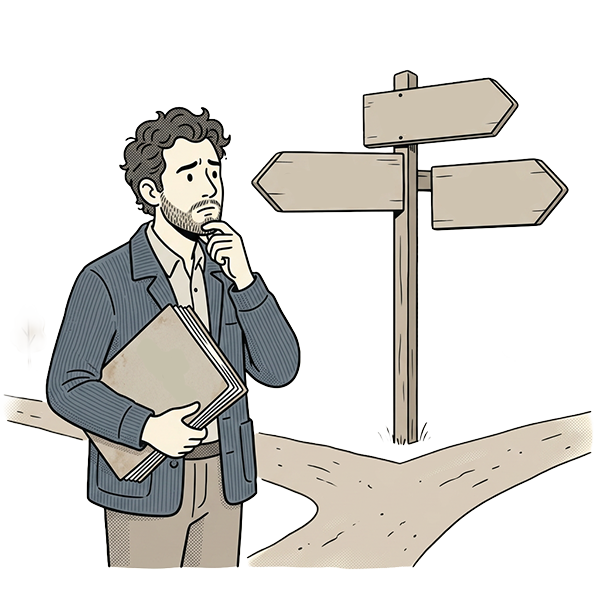
They ask:
Those questions matter.
They are just not the first ones.
The first question is simpler—and harder:
Is this manuscript actually ready to carry the message well?
That is where many religious books stall.
The author has conviction. The material matters. Trusted people are encouraging. But the manuscript itself has never been professionally diagnosed. So the author keeps revising, keeps researching, and keeps trying to solve the publishing path before anyone has clarified the readiness problem.
That is where years disappear.
A meaningful message does not automatically become a strong book. Conviction is not structure. Encouragement is not editorial judgment.
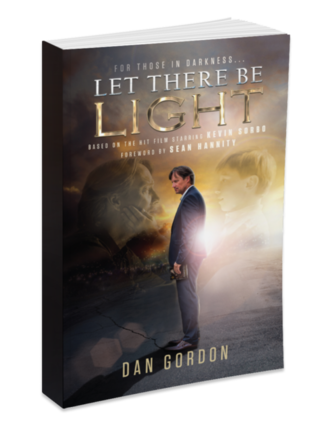
Let There Be Light, with a Sean Hannity foreword, Izzard completed the project in eight weeks and distributed the book to 39,000+ bookstores worldwide, as well as printing thousands of hardback copies.
Religious authors are rarely casual about the work.
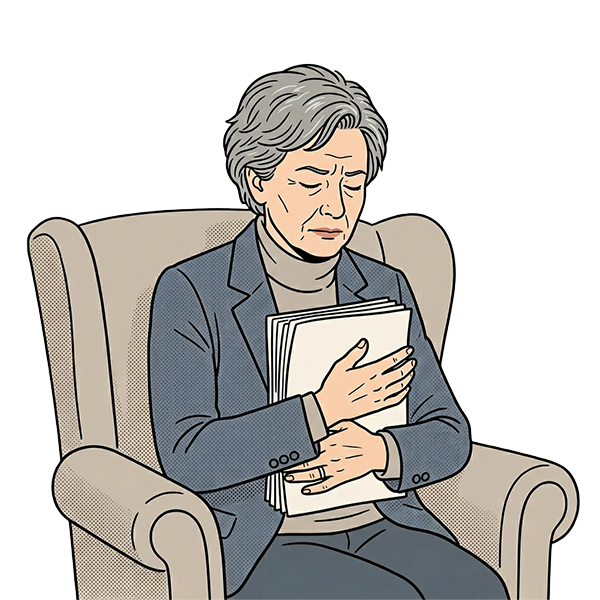
They are writing from calling, testimony, ministry, discipleship, grief, service, healing, or years of study. They are not just trying to publish a book. They are trying to steward something that matters.
That is exactly why objectivity gets harder.
The closer you are to the message, the harder it is to judge whether the manuscript is clear, shaped, compelling, and ready for a reader who does not already live inside your language, your beliefs, or your intent.
Some religious manuscripts are spiritually sincere but structurally unfinished.
Some are rich in conviction but weak in reader movement.
Some are written for people already inside the author’s vocabulary, not for the reader the book hopes to reach.
Faith-based publishing is not one shelf.
Different kinds of religious books succeed and fail in different ways.
A devotional can be spiritually meaningful and still feel repetitive, thin, or too private in its insight. The strongest devotionals create rhythm, clarity, and usefulness—not just reflection.
These books often carry strong conviction but lose force when they drift into general encouragement instead of building a clear argument for change.
Teaching-based books can be full of truth and still struggle on the page if the structure is loose, the movement is unclear, or the material reads like notes instead of a finished book.
A testimony can be powerful in life and still underperform on the page if the story has not been shaped for a reader outside the author’s own experience.
These books often contain real wisdom, but wisdom alone does not create progression, readability, or category fit.
Some books belong squarely in the Christian market. Others need to work for both faith-based readers and a broader trade audience. That affects tone, framing, and what the manuscript has to accomplish on the page.
A religious book is not ready because the author cares deeply. It is ready when the manuscript carries that message clearly enough to reach the right reader.
The book must know exactly what truth it carries and what the reader is meant to understand, confront, or do differently.
Failure signal: the manuscript repeats convictions without advancing clarity.
The book must connect belief to a real reader’s struggle, question, need, or decision.
Failure signal: the message feels sincere but generic.
A book still has to move. Chapters must build. Testimony must be shaped. Teaching must be sequenced.
Failure signal: it reads like assembled sermons, notes, or reflections instead of a finished book.
Strong religious writing feels grounded, credible, and lived. It does not need to overstate itself.
Failure signal: the voice turns preachy, repetitive, or abstract.
The reader has to trust the person on the page, not just agree with the subject.
Failure signal: the writing feels distant, formal, or emotionally sealed off.
Most authors think they have a publishing problem.
Usually, they have a readiness problem first.
A weak manuscript does not become strong because it found a Christian publisher. A confused manuscript does not become clear because it is self-published. And a spiritually serious manuscript does not become effective because money was spent on production before the writing was truly ready.
Without diagnosis, authors usually do too much at once:
After diagnosis, the work changes:
That is the shift.
Not more encouragement.
Not more publishing noise.
Clarity.


Most companies sell services first.
Izzard diagnoses first.
That is not a slogan. It is the operating logic.
Serious authors should not be pushed into editing, production, or publishing decisions before they know what the manuscript actually needs.
A Manuscript Assessment is built for that first job:
This step matters because it prevents the wrong investment in the wrong order.
A strong path for some religious books, especially if the manuscript is market-ready and well positioned for the Christian market or the broader trade market.
A path with control and speed, but no protection from a weak manuscript.
A path that can work well when done ethically and strategically, but only after the manuscript has been evaluated honestly.
You can choose any of these paths.
Just do not choose them before you know whether the manuscript is ready.
Ask yourself:
If those questions are hard to answer, the next step is not more publishing information.
It is diagnosis.

You leave with:
You can publish a religious book traditionally, independently, or through a hybrid model. But before you choose a path, you need to know whether the manuscript is ready.
The same principle applies. Whether you want a Christian publisher, self-publishing support, or a hybrid path, the first step is a professional evaluation of the manuscript.
Not necessarily. Some books belong in the Christian market. Others may be better served through independent or hybrid publishing. Readiness comes first.
Yes. But devotionals still need structure, clarity, reader usefulness, and editorial discipline.
Yes. But teaching content often needs more shaping than authors expect if it is going to become a readable, publishable book.
Yes. But testimony is one of the categories where emotional closeness often makes objective revision harder.
It is a professional diagnosis of your manuscript’s current state, what is working, what is not, and what changes would make the biggest difference.
An assessment identifies the real problems and priorities. Editing is the next stage of solving them.
If you cannot clearly identify what is working, what is weak, and what the top priorities are, you likely need a professional assessment before moving forward.
You leave with clarity, priorities, and real options. Then you decide whether to revise independently or continue with support.